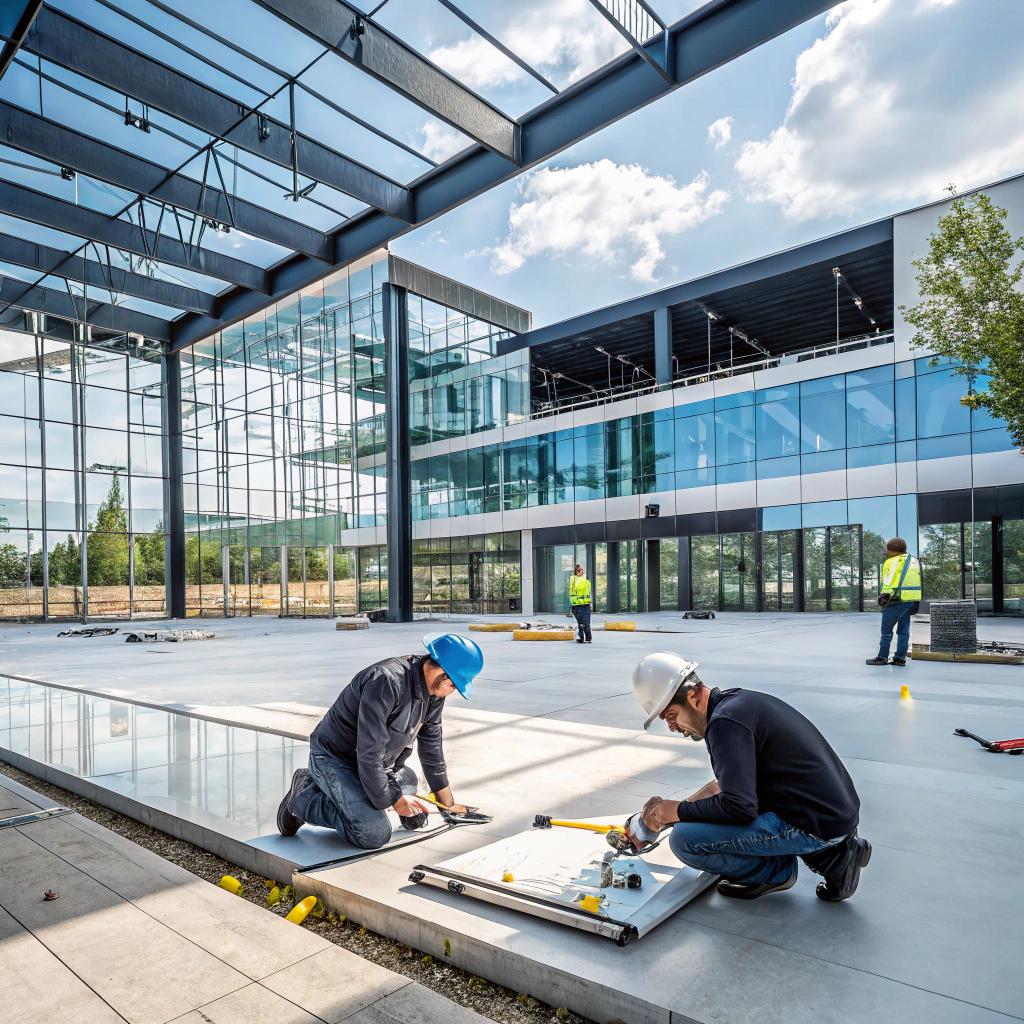
Sometimes the most creative ideas do not start in a dorm room or a lab. They start in a half-finished hallway that still smells like fresh drywall and paint. I remember walking through one such construction zone on campus and thinking, quietly, this is what a startup feels like before it is ready for the world.
If you strip it down, the way G&H Construction plans and builds spaces is almost the same way strong campus startup spaces grow: clear constraints, practical layouts, and constant small adjustments based on how people actually move, meet, and work. That is why you can learn a lot about student startup hubs by looking at how companies like G&H Construction think about renovation, flow, and function, even though they usually work on homes rather than campuses.
How construction thinking shapes campus startup spaces
On the surface, construction looks very physical: bricks, drywall, plumbing, electrical. Campus startup spaces seem very different: laptops, coffee, pitch decks, whiteboards.
But if you zoom out for a second, they share a basic pattern: you are trying to shape a place around how people actually live and work, not around a pretty picture in a brochure.
G&H Construction works a lot with full home renovation projects. A family comes in and says things like:
– “We keep bumping into each other in the kitchen.”
– “There is no quiet spot to work.”
– “Our storage is a mess.”
The team then creates layouts that solve those exact problems, room by room.
Campus founders and space planners have almost the same complaints:
– “There is no space where we can talk loudly without disturbing others.”
– “We cannot find a quiet corner for deep work.”
– “Hardware projects have nowhere safe to test things.”
So if you pay attention to how a builder thinks about a home, you get clues on how to shape startup hubs that students actually use.
A strong startup space is less about trendy furniture and more about how it quietly removes small daily problems for the people building new projects there.
Now let us look at how that plays out in real details.
From floor plans to founder flow
If you have ever watched a renovation process, there is a moment when the old walls come down and the new floor plan is just tape on concrete. It looks simple. Almost too simple. But that tape decides where energy will move for years.
Campus startup spaces have the same turning point, even if it is only on a whiteboard.
The “flow” question nobody asks soon enough
Try this: close your eyes and walk through your startup center in your head.
Where do people enter first? What do they see? Where do they drop their bags? Where do they wander if they are new and do not know anyone?
Construction teams like G&H Construction have to answer that kind of question for every room. They watch where people might naturally walk, how sunlight enters, where noise gathers. It is not fancy theory. It is just paying attention.
In a campus startup space, that translates into questions like:
– Do people have to cross the quiet area to reach the coffee machine?
– Is the loudest collaboration space right beside a mentoring room?
– Are investors or guest mentors forced to walk past a messy maker area on the way in?
These may sound small, but over a semester they add up.
If your space constantly fights the way people want to move, no number of “programs” will save it.
Zones, not one big room
Home designers often think in zones: cooking, eating, relaxing, working. There might be open sight lines, but each zone has a feel and a purpose.
Strong campus startup hubs tend to use the same idea. Not a huge open hall with random tables, but clear areas that signal how to use them.
You usually see a mix of:
- Buzz zone: open seating, soft noise, people walking around, quick chats.
- Quiet zone: focused tables, books, maybe light rules about calls and audio.
- Build zone: hardware, tools, 3D printers, anything that needs safety and storage.
- Pitch zone: flexible seating, screen, maybe lights, for events and practice demos.
This is similar to a home with an open kitchen, a tucked-away study, and a family room that can flex between movie night and guests.
Construction teams are very good at carving these zones from limited space. They use half-walls, lighting, flooring, and simple furniture choices. A campus team can copy that logic with:
– Rugs or different floor textures to signal where a zone starts
– Light changes: brighter in build areas, warmer and softer in lounge spots
– Partition shelves as informal walls
– Sliding doors on at least one “deep focus” room
None of this requires fancy branding. It just needs the same clear thinking a contractor brings to a busy family home.
What G&H-style renovation teaches student founders
I do not think most student founders realize how much they can learn from a construction project. It is almost like a physical version of building a startup.
Here is a simple comparison.
| Construction step | Startup space lesson | Startup founder parallel |
|---|---|---|
| Assess the old layout | Walk the existing rooms and notice where they fail. | Study current clubs and labs and figure out where people struggle. |
| Set constraints | Know budget, walls that cannot move, plumbing limits. | Know time, money, team size, campus rules. |
| Rough plan | Draft layouts, tape on the floor, quick mockups. | Simple MVP, mock screens, quick prototypes. |
| Demo and rebuild | Take down what does not work, keep what does. | Drop weak features, keep real user value. |
| Finishing touches | Details that make daily life easier: outlets, shelves, lighting. | Onboarding, documentation, support. |
If you help design a campus maker hub or startup center, you are basically acting like a tiny version of a residential builder. You are listening, drawing, testing, and adjusting.
Good construction projects and good startup spaces both start with one honest question: “Where does this feel painful in daily use right now?”
Borrowing specific ideas from residential projects
G&H Construction often works with homeowners who need more from the same square footage. Campus teams face the same problem. No one is handing out extra buildings.
Here are some ideas from home renovation that map almost directly to campus startup spaces.
- Multi-use rooms
In a house, a guest room might be a study most days and convert quickly when family visits. On campus, a workshop room can be an event stage, a hackathon room, or quiet desk space, if furniture is light and easy to move. - Built-in storage
Home projects often hide storage under stairs or benches. Startup spaces need hidden storage for cables, hardware, extra chairs. If storage is not planned, the room will look messy fast and people stop taking it seriously. - Power where people actually sit
Residential teams place outlets near real furniture plans. Campus spaces should do the same. Outlets in the middle of walls that no one can reach are wasted. Power in the floor, or along table edges, changes how people use the room. - Acoustic planning
Quiet bedrooms away from loud areas. On campus, quiet rooms away from the front desk and team huddles. Simple panels, curtains, and bookcases can help sound control without huge cost.
None of this is glamorous. It is just very practical. Which is often what students need more than exposed brick or neon signs.
Material choices that change student behavior
One thing construction people think about more than almost anyone is materials. Not in a fancy way. Just simple questions: Will this crack? Does it clean easily? Does it reflect light?
On campus, material choices quietly tell students how to behave and what is allowed.
Surfaces that invite making, not just talking
If every table in your startup hub is a delicate wood piece that scratches easily, students will be nervous about testing hardware or messy ideas. They will talk, not build.
Look at how G&H-style contractors handle family kitchens and craft rooms:
– Durable counters
– Easy-to-clean floor
– Walls that can handle hooks or mounted shelves
For a campus build or renovation, this could mean:
– At least one area with industrial tables where people can solder, paint, or assemble prototypes
– Floors that do not stain easily in that zone
– Wall space that can take tool racks or whiteboards without damage fears
Another detail: whiteboards and writable surfaces everywhere. Not just in meeting rooms.
– One or two walls in the main area
– Small movable boards on wheels
– Maybe even whiteboard paint in a quiet corner
You want a space where a student with a half-formed idea can grab a pen and sketch it without booking a formal room.
Light, color, and comfort
Residential builders know lighting changes how a room feels at different times of day. In a startup space, this affects energy and focus.
Here is a simple way to think about it:
| Element | What builders do in homes | What campus spaces can copy |
|---|---|---|
| Natural light | Keep windows clear in living areas. | Place most open work tables near windows to help long hours feel less heavy. |
| Task lighting | Focused lights over counters and desks. | Strong, clear light over hardware and laptop areas, softer light over lounge zones. |
| Color | Neutral base, small bold accents. | Simple walls with accent sections that show school or center identity without being loud everywhere. |
| Comfort | Mix of chairs, sofa, stools. | Variety of seating so some students can sit straight and work, others can relax during long sessions. |
There is no single perfect formula. Some teams work better in bright white spaces, others prefer warm tones. I think the key is choice. One part of the room can feel serious, another can feel more relaxed.
Safety, risk, and learning from construction rules
Construction groups live in a world of codes, permits, and safety checks. It can feel rigid. Campus startup teams, especially students, like to move fast and ignore rules. Sometimes they overcorrect and treat all safety as a block instead of as a design input.
There is something to learn in how builders mix risk and structure.
Clear risk boundaries, not vague warnings
On a building site:
– Some areas are always off-limits without gear.
– Some tools need trained operators.
– Some steps need sign-off before you move ahead.
Now look at a campus startup lab. Often you see:
– A cardboard sign that says “Do not touch without training.”
– A 3D printer open, but no clear rules.
– Hardware lying around in shared spaces.
That kind of vague restriction does not teach responsibility. It just creates confusion.
Better to copy the clear pattern approach:
- Color-coded zones: green (safe for all), yellow (safe with oversight), red (access only after training).
- Simple, printed rules at each tool, written in normal language, not legal text.
- Short, repeatable training sessions like builders do safety briefings.
If you want students to build real products, they will touch real tools and materials. So safer design is better than endless “no” signs.
Permits vs approvals: a useful mental model
Construction permits exist so someone checks structural and safety basics before a build. On campus, you can think of light “permits” for startup activities that have bigger impact.
For example:
– Wiring up larger hardware projects in shared rooms
– Hosting events with outside visitors
– Running user tests with non-students or minors
Instead of saying “ask for permission for everything,” you can design a lightweight approval process that mirrors building permits:
– Clear checklist
– Defined response times
– Standard templates
The point is not to slow students down. It is to protect them from unknown risk and from later pushback from campus leadership.
Community building through layout, not slogans
Most campus startup spaces talk about community. They print posters, run pitch nights, and create online groups.
I think space layout has more effect on community than slogans on walls.
Construction pros who design open-concept homes already know how to encourage interaction without forcing it.
Where talk happens naturally
Think about where people tend to gather in a renovated home:
– Near the kitchen island
– At a table by a window
– On a couch with a clear view of the room
On campus, that might map to:
– A central “landing zone” with coffee, water, and maybe microwaves
– A few tables near natural light
– A soft seating corner that still faces the main area, so no one feels cut off
If you hide all the snack and social spots away from the work zones, you push people out of the center of activity. Then they leave as soon as they finish a meeting. That kills the casual, slow conversations where real projects often start.
I once saw a small campus lab move its only microwave from a back room into the main open space. It seemed minor. But within a month, people stopped eating alone in corners and started talking while waiting on food. That change did more for cross-team collaboration than any formal networking session they ran.
Designing for mentors and guests
Builders think a lot about entry paths. When someone walks into a home, what do they see? Where do they put their coat? Do they walk straight into the kitchen or through a quiet hall?
Startups hosting mentors and investors should think the same way.
Ask:
– What is the first thing a mentor sees when they enter the startup hub?
– Is there a clear place for them to sit before a meeting?
– Can they find the right team without wandering awkwardly?
Simple design fixes can help:
- A visible front desk or welcome table during busy hours.
- Clear signs with plain text, not just logos.
- One small, semi-private spot where guests can land, check email, or prepare before sessions.
Guests who feel lost or awkward are less likely to return. Construction teams know this because bad entry design often leads to complaints in homes. Campus teams should care just as much.
Phasing: building startup spaces in stages
Most campuses do not get a fully funded, perfect startup center on day one. They get a patchwork of rooms, then maybe a partial renovation, then years later a bigger plan.
Construction companies handle phased projects all the time. There is a lot to copy here.
Stage 1: Light-touch upgrades
This is similar to a “refresh” in a house when you cannot knock down walls but want real change.
Typical low-cost, high-impact steps:
- Rearrange furniture to create clearer zones.
- Add power strips and cable management to common tables.
- Introduce whiteboards and mobile boards in shared areas.
- Place better lighting in dark corners where people avoid sitting.
- Create a simple check-in point for tools and small hardware to reduce clutter.
You can do much of this with existing furniture, some cheap lighting, and a bit of effort. No general contractor needed yet.
Stage 2: Targeted renovation
Once people actually use the space and you can see patterns, you can do deeper work. This is where a builder mindset is very helpful.
You look at:
– Rooms that are always crowded
– Areas that no one uses
– Conflict points, such as noise leaks or crowded entrances
Then you:
– Remove a wall or widen a doorway to relieve pressure
– Add a partition and door to create a quiet room
– Move the main entrance or check-in desk to a more natural spot
The sequence matters. Construction teams rarely start with the flashiest feature. They fix the structure and flow first, then finish surfaces.
Startup spaces should do the same. Function before decor.
Stage 3: Long-term expansion
For larger projects, there might be plans for a full new building or a major wing. This is the point where campus leadership, architects, and construction companies work together.
Student founders do not always have direct control here, but they can still influence:
– Surveys that show which rooms matter most
– Data on usage patterns and peak times
– Stories of teams forced to work elsewhere because the space could not support them
These data points help justify budget and planning, just like homeowners gather quotes and photos before a large renovation.
How student founders can think more like builders
Even if you never talk to a construction group, you can borrow their mindset for your own startup and your space.
Here are a few habits worth copying.
Walk the space at “weird” times
Builders do site visits at different times of day to see light, traffic, and noise. Try the same:
– Early morning before classes
– Lunch rush
– Late night before project deadlines
Ask yourself:
– Where are people crowding?
– Which seats fill first?
– Where do people plug in?
– Which corners never get used?
Take notes. Actual human behavior is better than any plan.
Ask “how will this age?”
Construction work needs to survive years of use. A startup space will also face heavy use and some mild abuse.
Before adding a feature, ask:
– Will this hold up if 100 students use it weekly?
– Who cleans this?
– What breaks first?
Sometimes a slightly less pretty option is worth it if it removes friction later. For example:
– Chairs with wipeable surfaces instead of cloth that stains
– Tables that can be folded and stored easily
– Simple racks instead of built-in units that you cannot move
Plan for repair, not perfection
No construction project ends in a flawless state. Things settle. Paint chips. A handle comes loose. Good builders expect that and plan to return.
Treat your startup hub the same way:
– Schedule regular space reviews every semester.
– Keep a clear list of small repairs and changes needed.
– Budget time and some money for fixes, not just for new additions.
Students graduate. Staff changes. But if you build this review habit into the culture of the space, it will stay useful longer.
Case-style questions students often ask
To stay practical, here are a few questions I hear from students, with direct answers.
Q: Our campus does not have money for a full renovation. Is there any point in thinking like G&H Construction at all?
A: Yes. You may not be able to move structural walls, but you can still think in terms of zones, flow, and daily behavior. Simple shifts in furniture, lighting, and storage can make a room feel almost new. Construction thinking is about problem solving within constraints, not only about large budgets.
Q: Our startup center looks modern but no one stays there. What might be wrong?
A: There are a few common causes:
– No clear social core, so people do not naturally run into each other.
– Lack of outlets and practical seating, so long work sessions feel hard.
– Too many rules that make the space feel fragile.
– No quiet area, so people who need focus just leave.
Walk the room with a “builder” mindset and ask where people would actually want to live for a few hours, not just visit for a photo.
Q: We want to attract more mentors and local founders. Can space alone help with that?
A: Space will not replace outreach, but it can support it. A well-planned welcome path, a simple guest area, and clear signage make mentors more comfortable. People come back to places where they know what to expect and where they feel their time is respected. Think of how careful construction companies are with client walk-throughs. Your startup center can copy that careful attention.
Q: If we had to fix only one thing in our campus startup space this year, what should it be?
A: I would look at power, light, and seating before anything else. If students cannot sit comfortably, plug in, and see their work clearly for long periods, nothing else really matters. You can always add decor and branding later. Function first, style second.
If you walk your own campus startup space tomorrow and look at it the way a builder would look at a half-finished home, what is the first thing you would change?