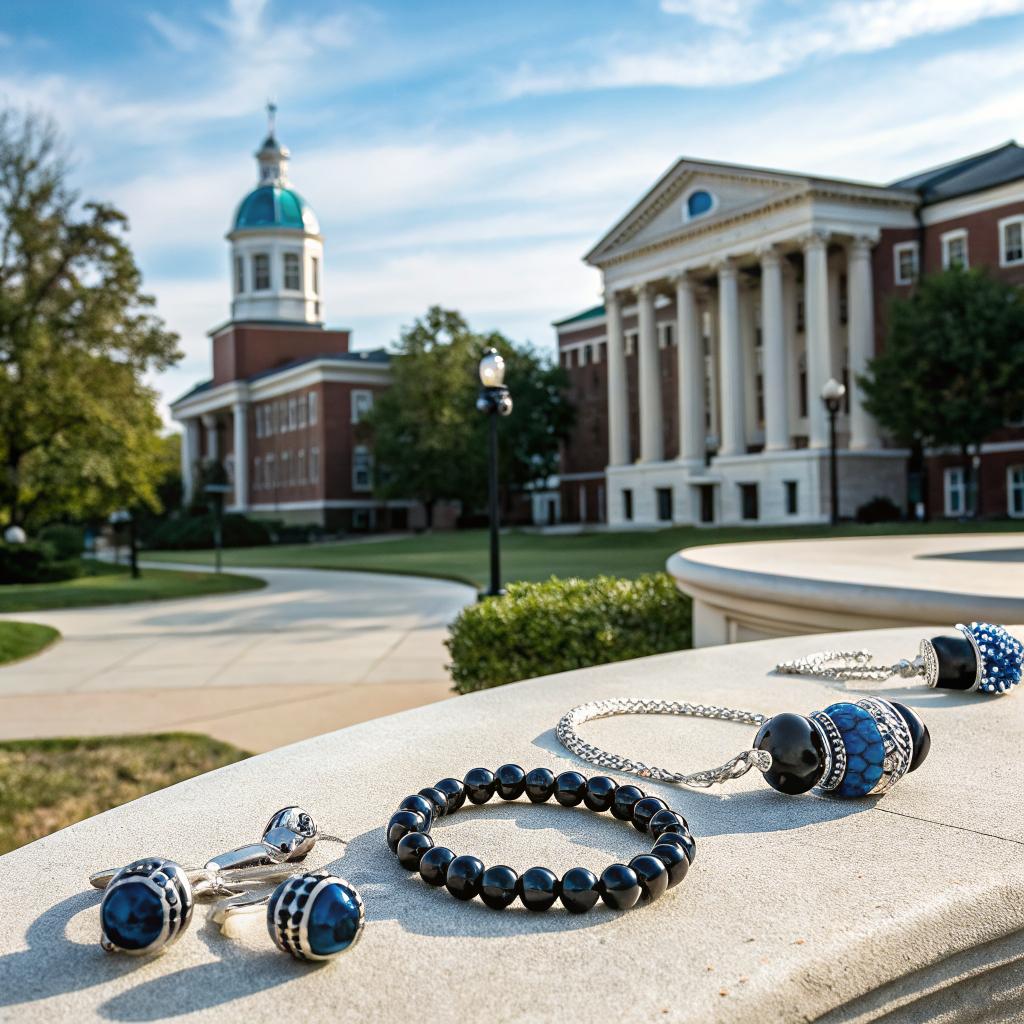
I remember looking around a campus pitch competition one night and realizing something strange. Almost every finalist wore some kind of standout jewelry, but hardly anyone could name more than one or two Black owned jewelry brands, if any at all.
If you want a quick answer, here it is: you can build a strong, campus ready jewelry rotation by choosing a small mix of everyday pieces, statement pieces, and meaningful pieces from Black owned jewelry brands, and then styling them to fit your actual schedule, not just Instagram photos. That means picking durable studs for labs, subtle chains for internships, bolder rings and layered necklaces for nights out, and one or two signature items that quietly say what you care about, whether that is culture, sustainability, or supporting Black founders. A good starting point is to explore curated directories of black owned jewelry brands and then build your look around your daily campus routine, not the other way around.
That is the short version. Let us go slower and break it down in a way that actually works when you have 8 a.m. labs, club meetings, and maybe a side hustle on top of everything else.
Why campus style and Black owned jewelry belong in the same conversation
On most campuses, clothes do the talking first. Hoodies, sneakers, backpacks. Jewelry comes in second, but it often says more.
A small chain or ring can tell people a lot. Sometimes it is cultural. Sometimes it is about your major, your hobbies, or what you stand for. The thing is, if you are someone who cares about student startups, new brands, and what is changing on campus, it feels a bit strange to only wear the same old mall labels.
Black owned jewelry brands are not just “nice to support.” Many of them are literally small startups. Some are run by young founders not much older than you. Some began at kitchen tables, in dorm rooms, or during that awkward gap between graduation and the first real job.
So when you buy from them, it is not only a fashion choice. It is a tiny, very direct way to fund:
– Young founders
– New product ideas
– Jobs in local communities
– A more interesting campus style scene
If you are going to spend money on jewelry anyway, you might as well let that money say something about the future you want to see around you.
Is that a big claim for a pair of hoop earrings? Maybe. But small habits add up, especially across thousands of students.
Building a campus jewelry “starter kit”
You do not need a huge collection. In fact, too much choice just slows you down at 7:50 a.m. when you are already late.
Most students do well starting with a small set that covers your main campus situations.
1. Everyday class pieces
These are the items you can wear on a random Tuesday. They should survive long days, random weather, and maybe the gym if you forget to take them off.
Good everyday campus pieces often include:
- Simple stud earrings (small enough for labs or clinical rotations)
- A thin chain necklace that does not tangle with headphones
- One bracelet or watch that looks clean but not flashy
- A ring or two that does not catch on your backpack or laptop bag
When you look at Black owned brands for these, check:
– Are they hypoallergenic?
– Do they use gold filled, sterling silver, stainless steel, or coated brass?
– Are they water resistant enough for handwashing and rain?
If a brand is honest about their materials, that is a good sign. If they are vague, that is a warning.
2. Statement pieces for campus events
Then you have the nights when you actually care how you look.
Pitch competitions. Open mic nights. Networking events. Student government debates. Or just that one party that everyone keeps mentioning.
For those, it helps to keep a small set of louder jewelry you can grab fast:
- Chunky hoops or geometric earrings
- A bold pendant or layered chains
- A standout ring with a stone or unique shape
- For some people, an anklet or ear cuff
Think of statement pieces like a highlight, not the whole paragraph. They should draw the eye without fighting every other thing you are wearing.
Black owned jewelry brands often shine here, because many of them pull from African, Caribbean, or Afro-diaspora design ideas, which gives you shapes and patterns you just do not see in big chain stores.
3. Meaningful pieces that tell your story
This is the part that can feel a bit personal. Jewelry that says something about:
– Where you are from
– Your language or heritage
– Your faith
– A cause you care about
– A friend group, team, or chapter
Examples:
– Pendants with maps, flags, or familiar symbols
– Pieces engraved with words in your first language
– Designs inspired by African patterns or Black historical figures
A lot of Black owned jewelers put real thought into this kind of storytelling. Some even give background on the pattern names, symbols, or stones they use. That context can make wearing the piece feel different. Less like random decoration, more like a small part of your personal story that you decide when to explain and when to keep to yourself.
How to match jewelry to your actual campus schedule
Campus style is not a runway show. It is messy. You run from class to lab to the library to work. You nap in the middle of the day by accident.
So any guide that only talks about “outfits” ignores the one thing that controls everything: your schedule.
Days packed with labs or studio work
If your day includes science labs, art studio, engineering workshops, or long coding sessions, your jewelry needs to be:
– Low snag
– Easy to clean
– Out of the way
What usually works:
- Small studs or tiny huggie hoops
- A thin chain you can tuck under a shirt
- No bracelets if you are working with equipment or clay
- One flat ring or none at all
Some lab policies restrict jewelry. That is not you being “extra careful”; it is just reality. Plan pieces that you can remove fast and store without losing them.
Internships, on-campus jobs, and career fairs
This is where a clean, minimal, but still interesting look matters.
Often, a safe and still personal combination is:
– Small hoop or stud earrings
– One simple necklace
– A discrete ring or bracelet
You want interviewers to notice that you are put together, but not to spend five minutes staring at your necklace trying to figure out what it says.
Black owned brands that lean toward modern, minimal design fit here. Think small geometric shapes, slim chains, and a focus on clean lines.
Club meetings, student org events, and late nights
Student org events are where you can go louder. People expect personality. Sometimes that is the whole point.
If you are in:
– Cultural orgs
– Creative clubs
– Entrepreneurship societies
then bold jewelry can even help you connect. Someone sees your ring, asks about it, and suddenly you are talking about the brand, the founder, and your own project.
For these nights, you can:
- Layer multiple chains at different lengths
- Wear stacked rings on both hands
- Try ear cuffs or climber earrings
- Use bright stones or enamel details for color
The key is to still keep one area calmer. If your ears are dramatic, go lighter on necklaces. If your hands have stacked rings, maybe leave the huge cuff at home that day.
Exams, stress weeks, and low-energy days
On some days, the idea of “styling” anything feels like work. That is normal.
For those, it helps to have what you could call your “default set”:
– One pair of earrings you can sleep in
– One ring you never take off
– A chain you forget you are wearing
Black owned brands that focus on comfort and skin friendly materials are perfect for this. You can wear their pieces through the entire finals week without worrying about green fingers or irritated ears.
Comparing common materials for campus life
A lot of marketing terms get thrown around: gold plated, gold filled, vermeil, stainless, sterling. For a student budget, these details matter.
Here is a simple breakdown that keeps campus life in mind.
| Material | What it actually is | Good for students? | Things to watch |
|---|---|---|---|
| Solid gold | Gold all through, measured in karats (10k, 14k, 18k) | Yes, but pricey; good for one or two “forever” pieces | Cost; do not buy solid gold if you tend to lose things |
| Gold filled | Thick layer of gold bonded to base metal | Very practical; holds color for years with care | Still better to remove for showers and workouts |
| Gold plated | Thin gold layer over cheaper metal | Budget friendly for trendy pieces | Color can fade faster, especially with sweat or perfumes |
| Vermeil | Gold plated over sterling silver | Good middle ground; nicer base metal | Still plating, so care is needed for long life |
| Sterling silver | 92.5 percent silver, often stamped “925” | Strong choice for daily wear | Can tarnish; a quick polish fixes it |
| Stainless steel | Steel alloy, often hypoallergenic | Very practical, low cost, low maintenance | Less “lux” feel, but reliable for campus life |
| Brass or mixed metals | Base metals with no precious layer | Good for occasional statement pieces | Might cause skin reactions or green marks for some people |
If you have sensitive skin, do not assume every small brand is safe for you. Look for those that mention hypoallergenic metals, nickel free options, or use sterling, stainless, or titanium posts for earrings.
How to spot thoughtful Black owned jewelry brands online
It is easy to get overwhelmed by endless Instagram shops and random ads. Some are serious businesses. Some are drop shippers that barely know what they are selling.
There are a few simple signs that a brand is doing real work behind the scenes.
Clear product details
Look for:
- Exact materials listed, not just “gold” or “silver”
- Photos from multiple angles, on different skin tones when possible
- Size information in millimeters or inches
If a shop does not share these details, you are basically guessing.
Visible founder or story
Many Black owned jewelry brands talk honestly about:
– Why they started
– What inspires their designs
– How they name collections
You do not need a dramatic brand story to buy from them. But when a founder is open about their process, it shows care.
Reasonable prices for the material
This is where some students get stuck. You see a gold filled piece at a higher price and think, “That seems expensive.”
Sometimes the cheaper option is actually more costly in the long run if it tarnishes in three months.
Think of it like this:
One good piece that you wear three times a week all year is more “affordable” than five cheap ones that sit in a drawer after two weeks because the color changed.
So judge price by material and expected lifespan, not just by the number alone.
Styling ideas: matching campus outfits with Black owned jewelry
You do not need a stylist. You do not even need a huge closet. A few smart combinations can cover most of campus life.
1. Hoodie, leggings, and sneakers day
Most students spend a lot of time in this uniform. To keep it from feeling like you gave up, add:
– Small hoops or simple studs
– A short chain that sits above the hoodie neckline
– One ring as a subtle focal point
This keeps the outfit relaxed but intentional. You look like you meant to dress this way, not like you rolled out of bed by accident.
2. Business casual for a presentation or interview
Imagine a blazer, plain top, slacks or a simple skirt.
Jewelry recipe:
- Minimal stud earrings or tiny hoops
- Single delicate necklace, maybe with a small pendant
- Watch or thin bracelet
If you pick Black owned brands that use small design twists, you keep the professional look but add a bit of personality. A circle with a subtle pattern. A tiny bar engraved with a word that matters to you, facing inward so it is just for you.
3. Night out after a long week
Maybe you have a campus party, poetry night, or live music in a small venue.
Try:
– Larger hoops or ear cuffs
– Two or three layered necklaces at different lengths
– Stacked rings on one hand
This is also where you can bring in cultural or symbolic pieces without explaining them to anyone if you do not feel like it.
Money, budgets, and being honest about what you can afford
Here is where I will push back slightly on a common mindset.
A lot of “support small brands” talk assumes you can easily pay more. That is not always true for students. Rent, books, food, transport, maybe sending money home. It all adds up.
So no, you do not need to feel guilty if you cannot always buy the highest priced option.
A more realistic approach:
Plan your jewelry spending like you plan your textbooks
You might:
- Pick one or two “investment” pieces per semester
- Fill trends with cheaper items, but still check materials
- Ask for better pieces as gifts during birthdays or holidays
You are not wrong to think about resale, repairs, and long-term wear. That is actually smarter than impulse buying every cute item that shows up on your feed.
Think in cost per wear, not cost per item
If you buy a 70 dollar necklace and wear it 150 times over two years, that is less than 50 cents per wear.
If you buy a 20 dollar necklace, wear it three times, and cannot wear it again because it tarnished or irritates your skin, that is almost 7 dollars per wear.
The “cheap” option cost more in practice.
Care and storage tips for dorms and shared spaces
What often ruins jewelry is not quality. It is how we store it. Dorm life is not friendly to small, delicate items.
Simple storage that actually works
Try:
- A small jewelry box with dividers for rings, earrings, and chains
- Zip bags or cloth pouches for silver pieces to slow tarnish
- A basic stand or hooks for necklaces to avoid tangling
Do not toss everything into one makeup bag. It feels fast. It also scratches stones, bends chains, and loses small studs at the bottom.
Quick weekly care routine
You do not need expensive cleaning kits.
For most metals:
- Use a soft cloth to wipe sweat and oils after wearing
- Keep jewelry away from perfume, lotions, and hair products when possible
- Remove before heavy workouts or long showers
For sterling silver, a small polishing cloth can bring it back to life in a few seconds.
This kind of care makes a real difference for brands that use gold filled or vermeil. You extend their life a lot with minor habits.
Connecting jewelry to your campus projects and networks
If you are reading a site about student startups and campus trends, chances are you care about more than outfits. You probably think about projects, networking, maybe your own future brand.
Jewelry can seem small compared to that. It is not going to write your thesis. But it can play a quiet role in how you build relationships.
Talking about the brands you wear
When someone compliments your earrings and you say, “Thanks, I got them from a Black owned brand that started online during the pandemic,” that is already a micro conversation starter.
Sometimes it leads to:
– Sharing links
– Supporting student sellers on campus
– Adding diverse vendors to club events and fairs
If you are in charge of events or campus markets, you can intentionally invite Black owned jewelry brands to table, both local ones and student run ones.
Learning from Black founders behind the jewelry
Many Black owned jewelry brands are run by people who figured things out under pressure:
– How to source materials with small minimum orders
– How to handle packaging and shipping from a small apartment
– How to market online without big budgets
If you are building your own startup, studying how these founders solve practical problems can be a lesson in itself. Not theory. Real constraints, real trade offs.
You might even reach out for short interviews for a class project or student blog. Some will say no. Some will be busy. But some might answer and give you insight that is hard to find in generic business books.
Campus style, authenticity, and small contradictions
It is easy to turn style guides into rigid rules. That tends to kill the whole point.
You might have days when:
– You care a lot about representing Black founders
– You throw on whatever is near your bed
– You mix high quality Black owned pieces with random old accessories from years ago
Is that inconsistent? Yes. But so is campus life.
The main thing is intention. Not perfection.
If you keep asking yourself, “Who am I actually supporting when I spend money on this?”, you are already ahead of most of campus.
Some days you will answer, “A Black woman in her 20s who runs a jewelry brand on weekends.” On other days, it might be “Whoever made this cheap ring years ago, I have no idea.” That is fine. Awareness grows over time.
Common questions about Black owned jewelry on campus
Is it performative to talk about wearing Black owned jewelry brands?
It can be, if you only do it for social points.
If you genuinely like the designs, respect the founders, and you are honest when someone asks where you got your pieces, that is not performance. That is you making considered choices and sharing them when asked.
If your whole interest ends the moment the trend cycle moves on, then yes, that says something too.
How many pieces do I need to feel “put together” on campus?
Less than you think.
For most students, a solid, flexible set looks like:
- 2 or 3 pairs of earrings (1 simple, 1 statement, 1 in between)
- 2 necklaces (1 delicate, 1 bolder or layered)
- 2 to 4 rings that can stack or stand alone
- 1 bracelet or watch
If most of these come from thoughtful Black owned brands, your daily style will already feel more intentional than average.
Can guys on campus wear Black owned jewelry without it feeling forced?
Yes, and many already do. Rings, simple chains, and subtle bracelets are common across all genders now.
If you are new to it:
– Start with one chain in a length that works with your usual shirts
– Add a ring that fits your hand size and does not feel bulky
– Keep colors simple at first, then branch out
You do not have to explain anything about it unless you want to.
How do I avoid losing small expensive pieces in a dorm?
Practical habits help more than any trick:
- Choose one fixed “drop zone” in your room for jewelry
- Keep a tiny travel case in your backpack for removing pieces on the go
- Do a quick check of ears, neck, and hands before you leave any classroom, gym, or library table
If your campus has old, tricky bathroom sinks, be very careful with rings there. Or just remove them before you go in.
Where should I start if I feel overwhelmed by choices?
Begin with one category.
For example:
– This month: find everyday earrings from a Black owned brand
– Next month: look for one meaningful necklace
– Later: upgrade rings or bracelets
Trying to overhaul your whole jewelry collection in one week is stressful and expensive. Building it piece by piece aligns better with student life, both in time and money.
And if your first question right now is, “Okay, which brands should I even look at on my phone between classes today?”, that is a pretty normal place to be.