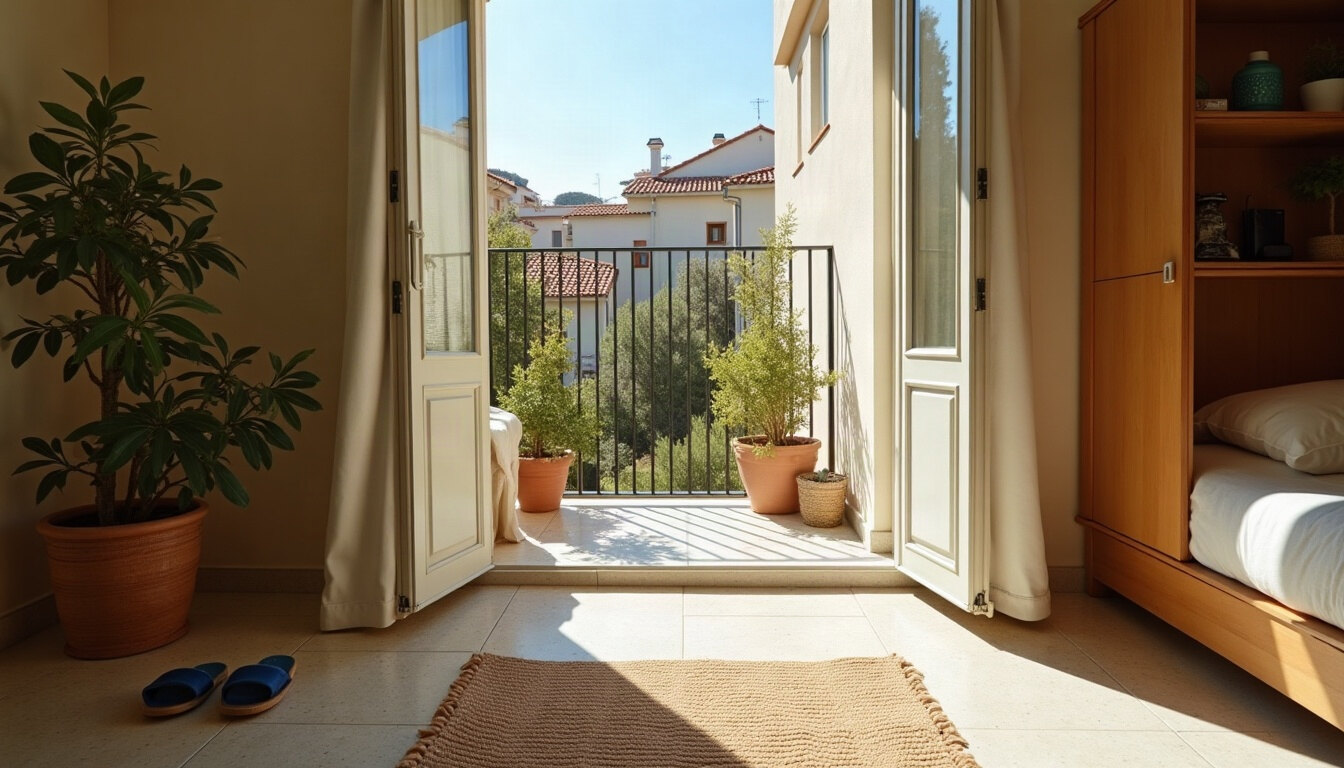
Your first morning in the new apartment, you swing your feet out of bed and hit cold stone. Not carpet, not boards: smooth, speckled tile that runs from the bedroom to the balcony door. Welcome to Israeli floors.
Back home it’s a different story, and if your parents are mid-remodel and keep sending you photos of sample planks, you’ve probably heard that planning floor installation Denver homes can handle, snowy boots and all, starts with good questions. That chat comes later. First, here are nine campus hacks for living well on the stone floors you’ll be walking on all year, plus a few notes on what they teach you about home.
1. Learn the sponja before your roommate teaches you
Israeli apartments get cleaned with a sponja (the squeegee-and-floor-cloth method): you splash soapy water across the tile, push it around with a squeegee wrapped in a cloth, then drag the wet toward the floor drain or out the balcony door. Learn the routine in week one so you’re not the roommate who mops with a sad paper towel.
Watch someone do it once. The rhythm is wet, scrub, push, wring. Twenty minutes of it on a Friday afternoon and the whole place smells clean before the weekend.
2. Buy slippers before the first rainy week
Stone is a gift in summer. Lie on it during a heat wave and it feels like air conditioning you don’t pay for. In winter, though, many apartments have no central heating, and that same tile soaks the warmth out of your feet.
Get a pair of slippers early, before the cheap ones vanish from the market stalls. Pair them with thick socks and you’ve solved half of winter for almost nothing.
Campus hack: Keep a folded towel by the balcony door. On rainy days it catches the drips from shoes and saves the floor from a muddy streak you’ll otherwise sponja twice.
3. Pick a floor cover that fits your lease
An echoey stone room can feel like a train station. A soft layer underfoot quiets it down and warms it up. Choose a cover you can roll up and take with you, because you’ll move again next year.
| Option | Cost band | Best for | Watch out for |
|---|---|---|---|
| Woven cotton rug | low | Bedrooms, quick washing | Slides around without a grip pad |
| Foam play mats | low | Desk corners, yoga, study sessions on the floor | Looks like a kindergarten if you overdo it |
| Thick area rug | medium | Shared living rooms, cold winters | Hard to dry after a sponja splash |
| Secondhand carpet remnant | low | Grad students staying two years or more | Check it for damp and smells first |
Check student groups and moving-out sales near the end of the semester. Rugs change hands fast.
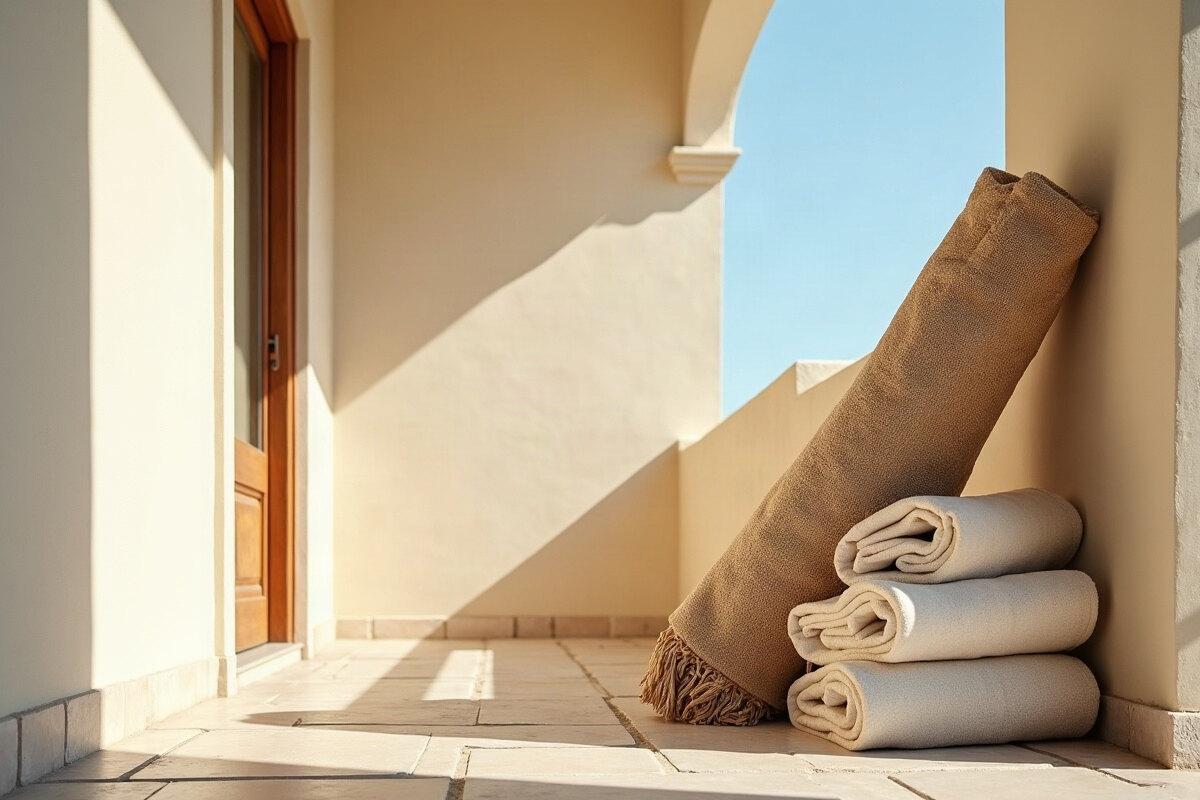
4. Pad every chair leg
Here’s the thing nobody tells you: in a stone building, the scrape of a chair carries. Your downstairs neighbors hear every late-night desk shuffle like it’s happening in their kitchen.
Stick felt pads under every chair and table leg on day one. They cost next to nothing, they keep the tile from scratching, and they buy you a lot of goodwill in the stairwell. Swap them out once they get gritty, because a pad full of sand works like sandpaper.
5. Read the floor like a history book
Look down in an older apartment and you’ll often see patterned or speckled terrazzo tiles, called balatot (floor tiles) in everyday Hebrew. They’re tough, cool and built to handle water, which is exactly why the sponja works on them.
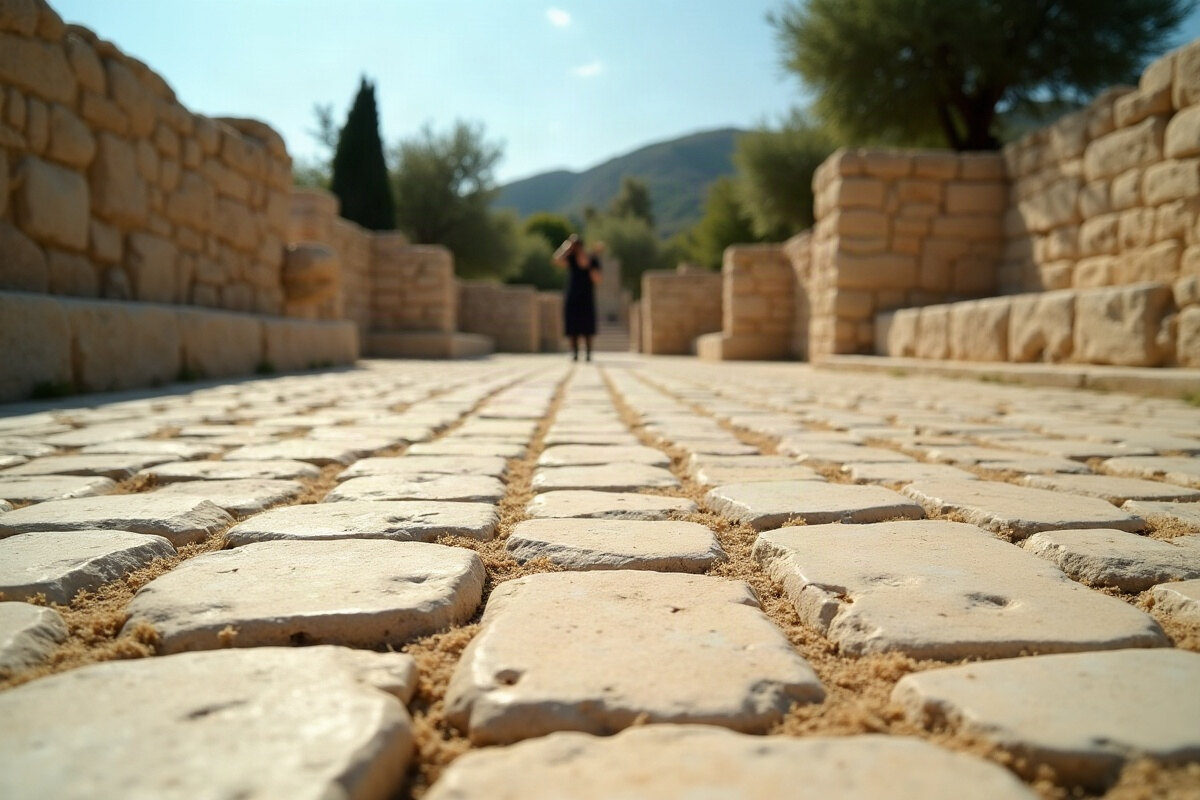
Stone floors here have a very long story. Mosaic floors from the Roman and Byzantine periods have been found at archaeological sites across the country, and many sit in museums and national parks today. Plan a day trip to see one: standing over a floor someone laid well over a thousand years ago makes your tile feel a lot less ordinary. Check official advisories before any trip.
Campus hack: Bring a water bottle and visit ancient sites in the late afternoon. The low sun throws hard shadows across mosaic patterns and makes them far easier to see.
6. Photograph the floor on move-in day
Chips, cracks, stains, loose tiles near the doorway: they all count when your deposit comes back. Walk every room with your phone before you unpack and shoot each mark up close, with a wider photo showing where it is.
Send the album to your landlord by email or message the same day, so there’s a dated record. Then do the same walk on move-out day. Five minutes of photos can save you a long, awkward argument later.
7. Notice what floors back home are dealing with
Stone and terrazzo shrug off water. Wood is a different animal. Back in Colorado, with its dry air and snowy winters, wood floors live through big swings between heated rooms and the cold outside, and boots carry in snow and grit all season.
Compare the two next time you’re on a call home. It’s a neat bit of culture swap: here, a floor is something you wash with a bucket of water. There, a lot of homes have floors you’d never dream of soaking. Same job, completely different rules.
8. Help your family from the other side of the world
If your parents are replacing floors while you’re abroad, you can still pitch in. You don’t need to know how to lay a board. You just need to be the person asking good questions.
Offer to sit in on a video call with whoever they’re talking to and keep a short list handy:
- What material fits the rooms that see the most traffic?
- How should the old floor be removed, and who handles it?
- How long until the rooms can be used again?
- What daily care will the new floor need?
A good installer will walk through answers like these without rushing. Your job is just to listen and take notes for the family group chat.
Campus hack: Ask your parents to film a slow walk through each room before and after. You get to see the change, and they get a record of the work for later.
9. Keep a tiny floor kit by the door
You don’t need a cleaning closet. You need four things, and they fit in a bucket. Build a small kit in your first week and keep it where everyone can find it:
- A squeegee and two floor cloths
- A bottle of all-purpose floor soap
- A pack of spare felt pads
- A small brush and dustpan for sand
Sand gets everywhere here, especially if you live anywhere near the beach. A quick sweep each evening stops it grinding into the tile and keeps the next sponja short.
Your move
This week, buy the slippers, stick the felt pads on, and shoot your move-in photos before the boxes come out. Then call home and ask how the floors are going. See you on the cool side of the tile.