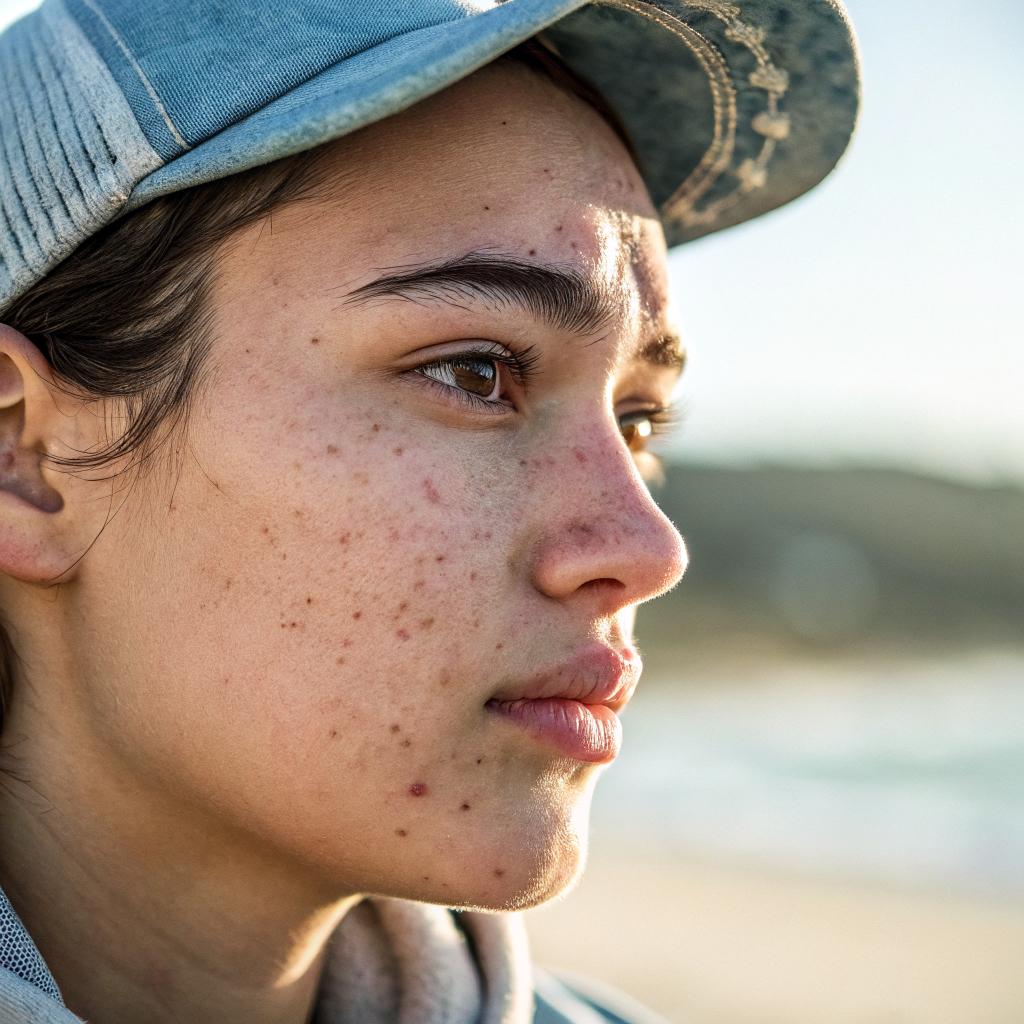
I remember sitting in a dorm bathroom at midnight, staring at the mirror under those harsh fluorescent lights, thinking, “How do I have a group project, two exams, and three new pimples all in the same week?” It feels unfair that your skin seems to fall apart right when life is already full.
If you want the quick answer: the most reliable way to get your college acne under control in Colorado Springs is to build a simple routine, keep your skin barrier calm in dry, high-altitude air, stop experimenting with random products every week, and if breakouts keep coming back, work with a pro who understands student life and the local climate. A targeted plan, plus consistent habits, will do more than any viral product. If you are near town, a clinic that offers something like acne treatment Colorado Springs can speed things up a lot, but you still need the basics handled.
Why your college skin is freaking out in Colorado Springs
Colorado Springs is not an easy place for skin. You have:
– High altitude
– Low humidity
– Extra UV exposure
– Fluctuating temperatures
Your skin keeps trying to adjust. Then you add:
– Cafeteria food or random meals at odd hours
– Stress from exams and deadlines
– Shared bathrooms and less sleep
– Makeup, sunscreen, helmets, masks, or hats
You get a mix of breakouts, redness, dryness, and sometimes peeling or irritation from products that used to feel fine at home.
If your skin is both dry and breaking out, that is not weird or rare here, it is almost normal for students in Colorado Springs.
The big trap is to treat every new breakout like a new emergency. New face wash. New serum. New spot cream. Your bathroom shelf turns into a skincare graveyard and your face gets more confused every week.
Let us slow it down and set up something that fits real student life.
Step 1: Keep your routine so simple it survives exam week
If your routine only works on a calm Sunday, it is not a real routine. You need something that works when:
– You slept 4 hours
– You got back from a late shift or study session
– You are staying at a friend’s place
For most breakout-prone students, a realistic routine is just:
| Time | Step | Goal |
|---|---|---|
| Morning | Gentle cleanse | Remove oil/sweat from night, keep barrier calm |
| Morning | Light non-comedogenic moisturizer | Hydrate in dry air |
| Morning | Broad-spectrum SPF 30+ | Protect from UV, prevent dark marks |
| Night | Remove makeup/sunscreen | Clear pores, avoid buildup |
| Night | Acne treatment (as tolerated) | Target breakouts directly |
| Night | Moisturizer | Repair barrier, prevent over-drying |
That looks boring, and that is the point. Boring skin care is what actually works.
If your skin routine has more steps than your class schedule, it is probably doing too much.
Some quick details:
– Cleanser: Gel or cream, low foam, fragrance free if possible
– Moisturizer: Light lotion in the morning, slightly richer one at night if you are dry
– Sunscreen: SPF 30 or higher, non-comedogenic, every day, even when it is cold or cloudy
– Acne treatment: Benzoyl peroxide, salicylic acid, adapalene, or something your skin can handle without stinging all day
If you already use actives, keep them, but drop extras you cannot explain. If you do not know why you put something on your face, your skin will not know either.
Altitude, dryness, and why your acne feels different here
High altitude and dry air change how products feel and how your skin behaves.
Some people say their skin got better when they moved to Colorado Springs. Others say it exploded. Both can be true.
What dry climate does to acne
Here is a simple breakdown:
| Condition | What happens | What it feels like |
|---|---|---|
| Low humidity | Water evaporates from skin faster | Tightness, flaking, makeup looks patchy |
| Skin barrier stress | Microscopic cracks in the barrier | Stinging, sensitivity, red patches |
| Compensating oil | Skin sometimes produces more oil | Shiny T-zone but cheeks feel dry |
| Acne products on top of this | Extra dryness and irritation | Burning, peeling, angry breakouts |
People then think: “My acne is bad, I should scrub more.” Or they double the acne cream. That usually makes the barrier worse, which can trigger more breakouts. It is a loop.
So if you are in Colorado Springs, your acne routine has to respect two things at once:
1. Keep pores clear
2. Keep your barrier strong in dry air
That second point is what many students skip.
How to adjust products for Colorado Springs weather
A few simple switches can help:
– Use gentle, low-foam cleansers instead of harsh foaming or bar soaps
– Limit physical scrubs, especially in winter
– Add hydration with a serum that has glycerin or hyaluronic acid if your skin feels tight
– Use moisturizer even if you are oily
If your skin burns when you apply products, that is your barrier complaining, not “purging.”
Any acne routine that does not protect your skin barrier will hit a wall in a dry, high-altitude city.
Student life habits that quietly ruin your skin
It is not always about products. Campus routines can sabotage your skin without you noticing.
Things you are doing that your pores do not like
- Falling asleep with makeup or sunscreen on “just this once”
- Touching or picking at bumps during long study sessions
- Letting sweat dry on your skin after the gym
- Wearing the same hat, beanie, or helmet liner for weeks
- Not washing pillowcases for long stretches
- Putting your phone against your cheek all day
If you are honest, you probably recognize at least one of those.
Some practical adjustments:
– Keep micellar water or gentle wipes in your room for nights when you are too tired for a full wash
– Put a clean towel over your pillow if laundry is backed up
– Wipe your phone screen regularly
– Shower or at least rinse your face after sports or hiking
– If you wear a hat or helmet often, wash liners or bands more often than you think you need
These changes are not glamorous, but they stack up.
Food, caffeine, and late nights
I am not going to say “never eat pizza” or “avoid sugar forever.” That is not real.
But some students notice patterns:
– Huge spikes in sugary drinks can trigger more breakouts around the jaw or cheeks
– Dairy, especially skim milk or whey-heavy drinks, can worsen acne for some people
– Constant energy drinks and very little water dry out your skin more and may make irritation worse
Instead of cutting everything at once, try one small experiment:
– Two weeks: swap one sugary drink a day with water or tea
– Two weeks: if you suspect dairy, switch to a non-dairy milk at least for coffee and cereal
See if your skin calms down a bit. If nothing changes, you can stop stressing about that and focus elsewhere.
Sleep is similar. You probably will not start sleeping 9 hours a night, and that is fine. But if you are always on 4 or 5, your body has a harder time healing inflammation, including in your skin.
Even nudging to 6.5 or 7 some nights can help more than a new serum.
Building a student budget skin routine that still works
You do not need expensive products. You need the right types of products and consistency.
What to actually spend on
If money is tight, prioritize:
- A gentle cleanser
- A moisturizer that your skin tolerates daily
- Sunscreen with SPF 30 or more
- One proven acne active
For example:
– Benzoyl peroxide (2.5 to 5 percent) wash or leave-on
– Salicylic acid (0.5 to 2 percent) toner or serum
– Adapalene (a retinoid) gel
You usually do not need all three at once. In fact, combining them aggressively is how many students end up with red, inflamed skin that feels worse than the acne.
Sample starter routine for Colorado Springs college skin
This is just one basic template that tends to work for many breakout-prone students in a dry place.
| Step | Morning | Night |
|---|---|---|
| Cleanser | Gentle gel or cream cleanser | Same gentle cleanser |
| Treatment | None or light salicylic acid if tolerated | Adapalene or benzoyl peroxide, 2 to 3 nights a week at first |
| Hydration | Light moisturizer | Moisturizer, slightly thicker if skin is dry |
| Protection | SPF 30+ sunscreen | Not needed unless using a night mask with actives |
Adjust usage if:
– Your skin burns: reduce frequency or layer moisturizer under the treatment
– You are flaking: increase moisturizer and ease off harsh actives for a bit
– You see no improvement after 8 to 12 weeks: at that point, self-treatment may not be enough
When should you see a pro for acne in Colorado Springs?
Some acne is stubborn. If you have:
– Painful cysts
– Scars forming
– Breakouts that do not respond after three months of consistent care
– A mix of acne and something else (like eczema, rosacea, or strong sensitivity)
you are not weak or dramatic for wanting expert help.
How professional care fits into student life
The idea is not “see a specialist and never think about skin again.” You still handle most of the daily work. A professional just sets the direction, adjusts products, and offers treatments that you cannot do in a dorm.
Common in-office options for acne:
- Customized facials for extractions and deep cleaning without damage
- Acne-focused treatment plans with professional-grade but balanced products
- Light chemical peels designed for breakouts and dark marks
- Guidance on combining topicals, and when to see a dermatologist for prescription help
The climate and altitude matter more than people think, so working with someone who understands Colorado Springs conditions can save you a lot of trial and error.
If you are shy about it, that is normal. But think about how much time you already spend worrying about your skin, avoiding photos, or trying new products that keep failing. One or two targeted visits can sometimes replace months of guessing.
Smart product choices for high-altitude student acne
You do not need fancy brands, but you do need to read labels with a bit of focus.
Ingredients that usually help acne-prone skin
Here are some common active ingredients and what they do:
| Ingredient | What it does | Notes for Colorado Springs |
|---|---|---|
| Salicylic acid | Unclogs pores, reduces blackheads | Use gently, as it can dry skin further |
| Benzoyl peroxide | Kills acne-causing bacteria | Start low strength, watch for dryness and bleaching of fabrics |
| Adapalene | Speeds skin turnover, keeps pores clear | Strong in dry climates, start a few nights a week only |
| Niacinamide | Calms redness, supports barrier | Often well tolerated, nice companion to harsher actives |
| Azelaic acid | Helps acne and dark marks | Gentler option if your skin is sensitive |
Your skin does not need all of these at once.
Pick one main acne active, then maybe add one calming ingredient like niacinamide.
Ingredients that can backfire here
Some products that are trendy can be rough in a dry city:
- Strong physical scrubs with big grains
- High-strength peels used too often
- Multiple exfoliating acids layered together
- Alcohol-heavy toners used daily
If your skin is already stressed, these can turn mild acne into red, inflamed, and very sensitive skin.
Sometimes students think, “If I feel burning, it must be working.” Most of the time, it is just irritation.
Dealing with dark marks and scars while in school
For many students, the spots left behind by acne feel worse than the pimple itself.
Spots vs scars: they are not the same
Quick way to tell:
– If the skin is flat but darker or red: that is usually a post-inflammatory mark
– If the skin is uneven, with pits, dips, or raised areas: that is more of a scar
Flat dark marks can fade with:
– Consistent sunscreen
– Gentle exfoliation
– Ingredients like azelaic acid, niacinamide, or some brightening agents
Real scars, especially deeper ones, often need professional treatments:
– Microneedling
– Certain peels
– Laser or other devices
These are not instant fixes. They take sessions and time. But if scarring is starting while you are still young, the earlier you deal with the active acne, the better.
Protecting your skin from new breakouts today is still the most powerful scar treatment you can use.
Acne, confidence, and campus life
The skin issue is not only physical. It seeps into how you walk into class, whether you raise your hand, how you feel at a party.
You might think things like:
– “Everyone is staring at my face.”
– “I should skip photos until my skin clears.”
– “I will feel confident once this is gone.”
The truth is, most students are worrying about their own stuff more than they are judging your skin. Still, it is valid to feel annoyed, embarrassed, or just tired of dealing with it.
Some ideas that are not about products:
– Set a limit on how long you let yourself zoom into the mirror each day
– Take progress photos monthly, not daily, so you do not stress over tiny changes
– If makeup helps you feel better, use it, but learn to remove it gently
– Talk about it with a friend; once you say it out loud, it often feels less heavy
And if acne is affecting your mental health in a serious way, that is not superficial. Talking to a counselor can sit right next to talking to a skin professional. Both matter.
Putting it all together: a realistic plan for Colorado Springs students
If you feel overwhelmed, here is a simple way to start without turning this into a second major.
Week 1 to 2: Reset and simplify
– Cut your products down to cleanser, moisturizer, sunscreen
– Stop trying new masks, scrubs, or random “miracle” treatments
– Track when your breakouts appear: around stress, certain foods, sports, or hormonal cycles
Week 3 to 6: Add a single active
– Choose one acne ingredient (like benzoyl peroxide or adapalene)
– Use it a few nights a week, then slowly increase if your skin can handle it
– Keep moisturizer steady, especially at night
– Watch for patterns: fewer new breakouts, or just the same cycle
Week 7 to 12: Decide what is working
Ask yourself:
– Are there fewer painful pimples?
– Is your skin less inflamed overall?
– Are dark marks slowly fading?
If things are better but not perfect, that is normal. Skin improves in steps, not in a straight line.
If nothing is changing or it keeps getting worse, that is your signal to stop guessing alone and see someone who can adjust things more precisely for your skin and this climate.
Common questions students ask about acne in Colorado Springs
Q: Is my acne worse because of the altitude?
A: Altitude itself is not the root cause, but the combo of thinner air, more UV, and low humidity can stress your skin. That stress can make existing acne worse, dry your skin out, and make harsh products more irritating. So altitude is more of a trigger amplifier, not the main cause.
Q: Can I clear my skin with only “natural” products?
A: Some people do well with simple routines and mild, plant-based products. Others need proven actives like benzoyl peroxide or adapalene. Acne-causing bacteria and clogged pores do not care if an ingredient is natural or synthetic. What matters more is if it is safe, well-studied, and right for your skin type. Be open to both sides, not just one label.
Q: How long should I give a new acne product before I call it a failure?
A: For most over-the-counter acne products, you need at least 6 to 8 weeks of consistent use. That sounds long, but your skin works on cycles. You might see some early improvements in 2 to 3 weeks, but full results take more time. If irritation is strong, you may need to slow down, not throw it out.
Q: Do I really need sunscreen if my skin is darker or already oily?
A: Yes. UV exposure at higher altitude hits everyone. Darker skin can still get dark marks from acne that last longer with sun. Oily skin can still be damaged by UV. There are sunscreens made for oily or acne-prone skin that feel light and less greasy. In Colorado Springs, skipping SPF makes it harder to fade spots and protect your barrier.
Q: Is my acne only from stress?
A: Stress does not create acne from nothing, but it can worsen existing acne through hormones, sleep changes, and habits. You might touch your face more, pick more, or rely on fast food and sugar when stressed. So stress is part of the picture, but not the whole story. You still need good basics and smart product use.
What is one small change you can make this week for your skin that you can actually stick with during a busy semester?