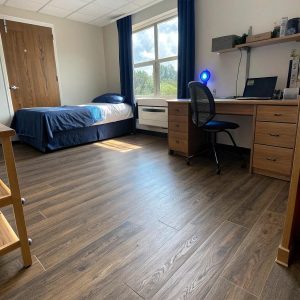
It’s a January night, the tile floor feels like a skating rink, and your apartment has no central heating. You’re writing an essay in your coat. Back home, the furnace just hums along and nobody ever thinks about it.
Here are 8 ways to stay comfortable in Israel without wrecking your budget. And if you’re researching HVAC company Castle Rock CO options for a family house in Colorado while you’re abroad, the last hit has questions to bring along.
1. Sort your comfort costs into fixed and flexible
Write two short lists before you buy a single heater. Fixed costs don’t change with your habits: rent, and any electricity charge that’s the same every month. Flexible costs move with you: how many hours the mazgan (air conditioner) runs, and whether you heat one room or three.
Your lease says who pays for electricity. If it’s unclear, ask your landlord or the university housing office before winter, not during it.
Then attach one habit to each flexible item, like “unit on while I study, off when I leave.” A habit is a plan. A good intention isn’t.
- Now: list what you can’t change and what you can.
- Next semester: compare a summer month with a winter month, then adjust.
2. Find out what your mazgan can actually do
Most wall-mounted units in Israeli apartments are ductless split systems. Americans call the same idea a ductless mini split. Many of them heat as well as cool, and most students never find out.
Check for a heating mode. Look for a sun symbol on the remote, or ask your landlord for the manual. A unit that can heat is usually a more efficient way to warm one room than a plug-in heater, so test it for an evening before you spend anything. If your unit turns out to be cooling-only, you’ve lost nothing by checking.
3. Close the door on rooms you aren’t using
Cooling in July and warming in January follow the same rule. Pick one comfort room, usually the bedroom with your desk, and shut it off from the rest of the apartment. Then choose a moderate setting and leave it, instead of jumping to the extreme and back. Also hold your hand near the window frames and the gap under the door on a windy day. A draft you can feel is heat or cool air you’re paying to lose.
Your roommates may grumble about the cold hallway. Remind them that they’re not paying to heat it either.
Campus hack: Roll up a bath towel and press it along the bottom of the door. It stops warm or cool air from leaking out, and it costs nothing.
4. Keep the filter clean and the repairs professional
A clogged filter makes any unit work harder and blow weaker. Clean the filter in the busy months, but only if the manual says it’s meant to be removed. Switch the unit off at the remote first. If the manual is silent, ask your landlord.
Then stop. Anything involving wiring, gas or refrigerant is for a licensed technician. If the unit smells burnt, leaks, ices up or trips the breaker, tell your landlord in writing, with photos, and let them send the right person. An online video isn’t a repair plan.
5. Compare your winter options before you buy anything
Winter apartments feel cold in a damp way, and the first instinct is to buy a heater. Line up the options first. Here’s how they compare:
| Option | Cost band | Best for | Watch out for |
|---|---|---|---|
| Layers and a blanket | Low | Tight budgets | Cold feet on tile, so add slippers or a rug |
| Closing off unused rooms | Low | Shared apartments | Needs roommate buy-in |
| Mazgan in heat mode | Medium | Warming one room for a few hours | Only works if your unit has a heating mode |
| Plug-in electric heater | High | Short bursts in a small room | Costs climb if it runs all evening; keep it away from bedding and curtains |
Now: start with the low-cost rows. Next semester: if you still want a heater, ask whoever lived there last winter what worked in that exact apartment.
6. Let the sun work for you with the tris
The tris (rolling shutter) is a free cooling tool. In summer, lower it on the sunny side before you leave for class, and the room starts the evening cooler. In winter, do the opposite: open it while the sun hits the window, then close it at dusk to hold the warmth in. West-facing windows take the harshest afternoon sun, so start there.
No shutters? Curtains do a similar job, just less well.
Campus hack: Make it a roommate rule. In summer, the last person out lowers the tris. In winter, the first person home opens them. A rule beats a reminder every time.
7. Let the air move, even in January
Damp builds up when the windows stay shut and wet laundry dries indoors. Air the place out for a few minutes every day, even when it’s chilly. A short burst of fresh air beats a stuffy room that feels warm but breeds mold. Your lungs, your laundry and your security deposit will all be happier.
- Dry laundry near an open window, not in your bedroom.
- Keep furniture a hand’s width away from cold outer walls.
- Wipe condensation off windows in the morning.
- If black spots appear on a wall or ceiling, tell your landlord in writing.
8. Put the family furnace on your to-do list
A winter without central heating makes you appreciate the furnace at home. In a Colorado house, where winters are cold and snowy, it works every day and gets noticed only when it stops. Offer to look into furnace servicing from abroad. You’ve got the time zone excuse and a student’s patience for research.
A good HVAC contractor will explain what they inspect, when repair makes sense, when replacement does, and what a quote covers. For homes in Castle Rock, one company to look at is Alpha Air Heating & Cooling, which has pages for furnace installation and replacement, furnace repair and maintenance, ductless mini splits, and AC installation and replacement. Ask any company the same questions:
- What does the quote include, line by line?
- What do you check before recommending replacement over repair?
- How do you decide what size of equipment the house needs?
- What upkeep should we plan for afterward?
Decisions about the family’s money belong to the family and a qualified adviser. Your job is to bring organized questions.
Campus hack: Add “furnace service” to a shared family calendar for early fall, before the first cold snap. A calendar nudge beats a panicked call about a cold house.
Your move
This week, open your lease and find out who pays for electricity, then write your fixed and flexible comfort lists. That one page shows you which habits are worth changing.
Stay warm in January, stay cool in July, and keep the budget intact. See you next week.